Natrapharm Home | Contact Us | Sitemap    
   Patriot Pharmaceutical Corp.   
Products

Natrapharm, Inc.

Patriot Pharmaceutical Corp.
 
Home » Products » Zcure


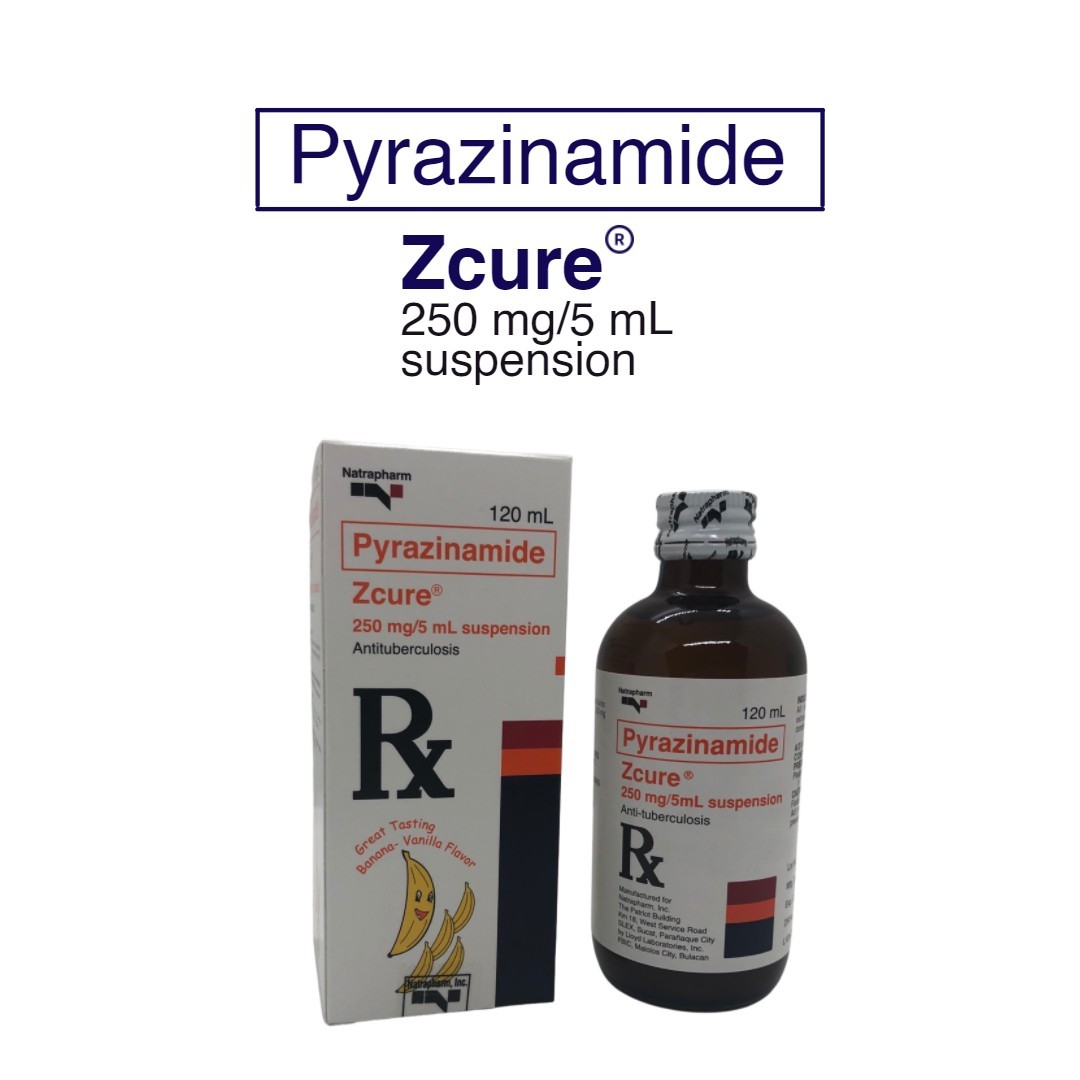
pyrazinamide

Zcure®


FORMULATION:
Each 5mL suspension contains pyrazinamide ....................................... 250mg

INDICATION:
All forms of pulmonary and extrapulmonary tuberculosis due to strains of Mycobacterium tuberculosis sensitive to pyrazinamide. When treating all forms of tuberculosis, pyrazinamide is used as part of multi-drug regimens for the treatment of tuberculosis in the initial 8-week phase of short-course treatment.

ANTIMICROBIAL ACTION:
Pyrazinamide has a bactericidal effect on Mycobacterium tuberculosis but appears to have no activity against other mycobacteria or microorganisms in vitro. The MIC for M. tuberculosis is less than 20 ug per mL at pH 5.6 it is almost inactive at a neutral pH. Pyrazinamide is effective against persisting tubercle bacilli within the acidic intracellular environment of the macrophages. The initial inflammatory response to chemotherapy increases the number of organisms in the acidic environment. As inflammation subsides and pH increases, the sterilizing activity of pyrazinamide decreases. This pH-dependent activity explains the clinical effectiveness of pyrazinamide as part of the 8-week phase in short-course treatment regimens. In order to avoid inducing bacterial resistance when used alone, pyrazinamide should always be given together with other antituberculous drugs.

ABSORPTION AND RATE:
Pyrazinamide is readily absorbed from the gastrointestinal tract. Peak serum concentrations occur about 2 hours after dose by mouth and have been reported to be about 35 ug per mL after 1.5g and 66ug per mL after 3g.

Pyrazinamide is widely distributed in body fluids and tissues and diffuses in the CSF. The half-life has been reported to be about 9 to 10 hours. It is metabolized primarily in the liver by hydrolysis to the major excretory product 5-hydropyrazinoic acid. It is excreted through the kidney mainly by glomerular filtration. About 70% of a dose appears in the urine within 24 hours mainly as metabolites and 4 to 14% as unchanged drug. Pyrazinamide is removed by dialysis. It is excreted in breast milk. ADVERSE REACTIONS:

Liver toxicity is the most serious side effect of pyrazinamide and it depends on the dosage, duration of treatment and concomitant therapy. Other side effects are anorexia, nausea, vomiting, anthralgia, malaise, fever, siderobalstic anaemia and dysuria. Photosensitivity and skin rashes have been reported on rare occasions.

PRECAUTIONS:
Pyrazinamide is contraindicated in patients with liver damage, but if treatment is necessary, the dosage must be reduced. Liver functions should be assessed before and regularly during treatment. Caution should be observed in patients with impaired renal functions or a history of gout. Pyrazinamide should be used with caution in patients with diabetes mellitus, as their management may become more difficult.

USE IN PREGNANCY AND LACTATION:
Pyrazinamide should not be given during pregnancy unless the potential benefit outweighs the potential risk to the fetus.

Pyrazinamide passes into the breast milk; the adverse effects on the infant are unknown. Therefore, the benefits and risks of nursing infant should be carefully considered.

CAUTION:
Food, Drugs, Devices and Cosmetics Act prohibits dispensing without prescription.

DOSAGE AND ADMINISTRATION:
Pyrazinamide is usually given daily or 3 times a week. Recommended doses by mouth for adults and children are up to 35mg per Kg body weight daily (maximum daily dose is 3g) or 50mg per Kg three times a week, or 75mg per Kg twice weekly. In partial intermittent therapy, pyrazinamide is administered daily for the first 2 months with isoniazid and rifampicin. Afterwards, treatment with isoniazid and rifampicin will continue for the next 4 months.

AVAILABILITY:
Bottles of 120mL

The Company

Corporate Services

Careers at Natrapharm
Home | The Company | Corporate Values | Corporate Services | Products | About the Philippines | Careers | Contact Us | Sitemap
©2008 . Powered by ASPAC/LAW